
Advertisements
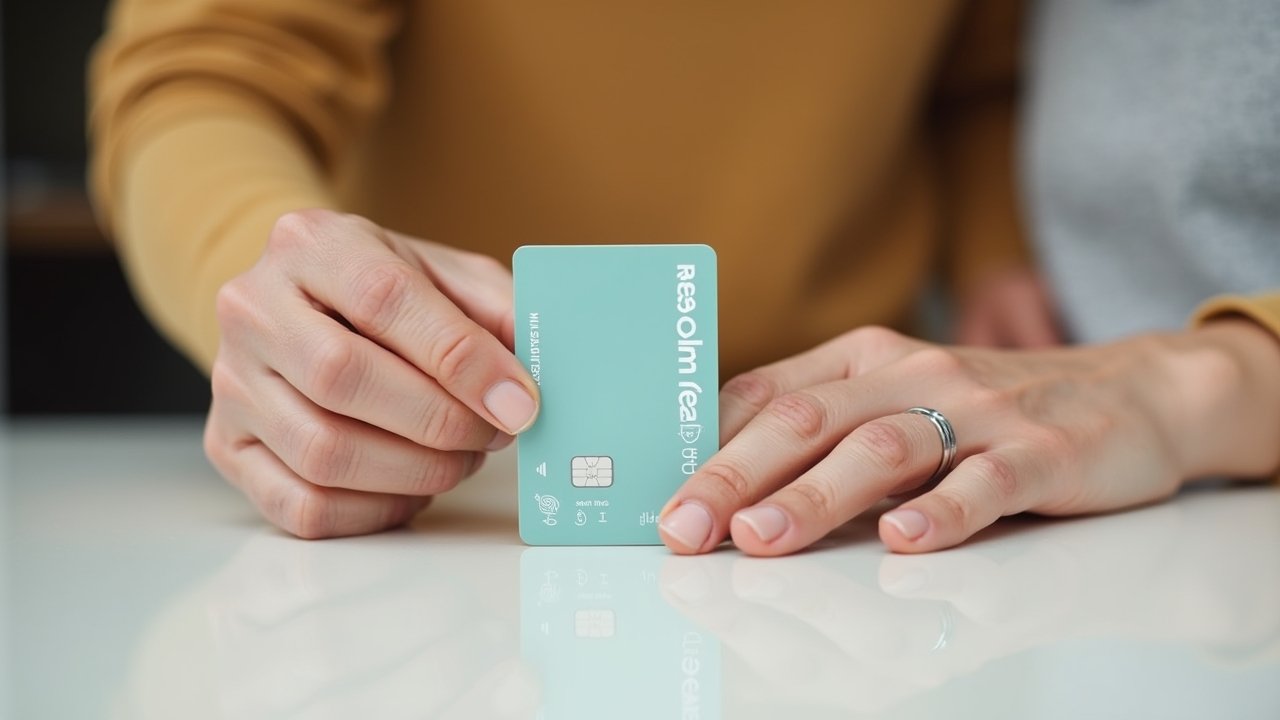
Secured Cards for Seniors on a Fixed Income: A Practical Guide That Actually Helps
Here’s a stat that honestly blew my mind — nearly 28% of adults over 62 have credit scores below 670. That’s a huge chunk of seniors who might struggle to get approved for a traditional credit card. And when you’re living on Social Security or a pension, the last thing you need is another financial door slammed in your face!
I watched my own mom deal with this exact situation a few years back. She’d been widowed, her credit history was basically tied to my dad’s accounts, and suddenly she was starting from scratch at 71. It was frustrating — and honestly a little heartbreaking. That’s when we discovered secured credit cards, and let me tell you, it was a game changer.
What Exactly Is a Secured Credit Card?
Okay so a secured credit card works almost identically to a regular credit card, except you put down a refundable security deposit upfront. That deposit typically becomes your credit limit. So if you deposit $200, you get a $200 credit line — pretty straightforward.
The beauty of it is that your payment activity gets reported to the major credit bureaus like Equifax, Experian, and TransUnion. This means every on-time payment is quietly rebuilding or establishing your credit score. For seniors on a fixed income who need to build credit without taking on risky debt, it’s honestly one of the safest tools out there.
Advertisements
Why Seniors on Fixed Incomes Should Consider One
Living on a fixed income — whether it’s Social Security, a pension, or retirement savings — means every dollar is accounted for. I get that. My mom’s monthly budget was tight enough that an unexpected $50 expense felt like a crisis.
But here’s the thing. Having no credit or poor credit can actually cost you more money in the long run. Landlords check credit scores. Insurance companies sometimes use them to set premiums. Even utility companies might require a bigger deposit if your credit is thin.
A secured card lets you control your spending because your limit is only what you deposited. There’s no temptation to overspend like with a high-limit unsecured card. For retirees watching every penny, that built-in guardrail is honestly a blessing.
How to Pick the Right Secured Card on a Budget
Not all secured cards are created equal, and I learned this the hard way when I helped my mom apply. We almost signed up for one that had a $75 annual fee — on a $200 deposit! That’s basically throwing money away.
Here’s what to look for:
- Low or no annual fee. Cards like the Discover it® Secured have zero annual fees, which is huge when you’re on a budget.
- Low minimum deposit. Some cards let you start with as little as $49 or $200. You don’t need to tie up a ton of money.
- Reports to all three bureaus. This is non-negotiable. If the card doesn’t report to the credit bureaus, it ain’t doing its job.
- Path to upgrade. The best secured cards will eventually graduate you to an unsecured card and refund your deposit automatically.
- No hidden fees. Watch out for application fees, monthly maintenance fees, or sky-high interest rates.
Tips I Wish Someone Had Told Us Sooner
When mom first got her secured card, she was scared to use it. Like, literally left it in her dresser drawer for two months. That’s actually the worst thing you can do because inactive accounts don’t help your credit score at all.
Here’s what worked for us. She started putting one small recurring bill on it — her streaming subscription, about $15 a month. Then she’d pay it off in full before the due date. Setting up autopay through her bank made the whole thing basically hands-free.
Another thing — keep your credit utilization below 30%. So on a $300 limit, try not to carry more than $90 at any time. Mom kept hers under 10%, and her score jumped almost 60 points in about eight months. I was honestly so proud of her.
Your Next Step Starts Now
Rebuilding or establishing credit as a senior on a fixed income isn’t just possible — it’s completely doable with the right approach. A secured credit card gives you control, safety, and a real path toward better financial health without gambling money you can’t afford to lose.
Just remember to research fees carefully, start small, and pay on time every single month. Your situation is unique, so adapt these tips to fit your budget and comfort level. And please, never share your card details with anyone you don’t completely trust.
Want more practical credit-building advice tailored to real life? Head over to Score Cove and explore our other guides — we’ve got plenty more where this came from!