
Advertisements
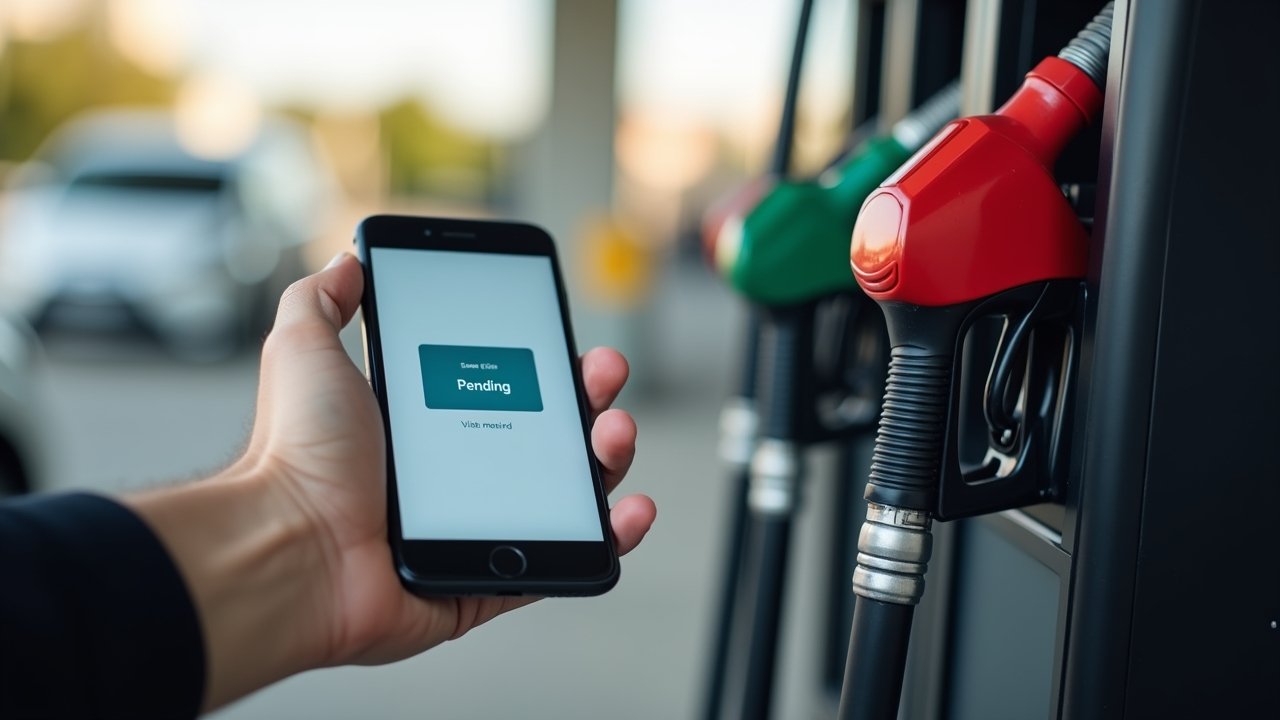
Secured Card Holds at Gas Stations and Hotels: What I Wish Someone Had Told Me
Here’s a fun fact that nobody warns you about — a simple gas station fill-up or hotel check-in can temporarily freeze way more money on your secured credit card than you actually spent. I learned this the hard way on a road trip back in 2021, and honestly, it was a bit of a nightmare. If you’re building credit with a secured card, understanding how authorization holds work at gas stations and hotels is absolutely critical!
Let me walk you through everything I’ve picked up so that you don’t end up stranded at a rest stop wondering where your available balance went.
What Exactly Is an Authorization Hold?
An authorization hold is basically a temporary charge that a merchant places on your card before the final transaction amount is settled. Think of it like a placeholder. The merchant is saying, “Hey, we don’t know the final total yet, so we’re gonna hold this chunk of your credit limit just in case.”
Gas stations and hotels are the biggest culprits here. According to the Consumer Financial Protection Bureau, these pre-authorization holds can range anywhere from $50 to over $200 depending on the merchant and the type of card you’re using. On a regular credit card with a $5,000 limit, that’s no big deal — but on a secured card with a $200 or $300 deposit? Yeah, it stings.
Advertisements
Gas Station Holds Nearly Ruined My Road Trip
So picture this. I’m driving through Tennessee with about $250 on my secured card, feeling pretty good about my credit-building journey. I stop to pump gas and pay at the pump like a normal person.
Next thing I know, there’s a $125 hold on my card — even though I only pumped like $35 worth of gas. My available balance plummeted instantly and I couldn’t even buy lunch at the next stop. I was so frustrated I almost called the bank to yell at someone, but it turns out this is completely standard practice.
Gas stations typically place holds between $75 and $175 when you pay at the pump. The hold usually drops off within one to three business days, but sometimes it takes longer. One trick I learned? Go inside and pay the cashier instead. When you prepay a specific amount, the hold matches exactly what you spend — no surprises.
Hotel Holds Are Even Worse
If gas station holds are annoying, hotel authorization holds are downright brutal for secured cardholders. Hotels routinely hold your nightly rate plus an extra $50 to $100 per night for incidentals. We’re talking minibar charges, room service, potential damages — stuff you might not even use.
I checked into a modest hotel in Nashville once and they slapped a $350 hold on my secured card that only had a $500 limit. That was basically my entire credit line locked up for one night! The hold didn’t fully release until almost five days after checkout, which messed up my utilization ratio and just made everything complicated.
A tip that’s been saved me since then — call the hotel ahead of time and ask about their hold policy. Some hotels, especially smaller chains, will work with you on the hold amount. You can also use a debit card for the hold and your secured card for the final payment, though that comes with its own risks as NerdWallet explains pretty well.
How to Protect Your Secured Card Balance
After getting burned a couple times, I developed some habits that really help:
- Always prepay inside at gas stations instead of paying at the pump.
- Call hotels beforehand to ask about their specific hold amounts.
- Keep your secured card utilization low so holds don’t max you out.
- Track pending charges through your card issuer’s app daily.
- Consider carrying a backup payment method for travel situations.
These small adjustments honestly made a huge difference. Building credit with a secured card is already a patience game — you don’t need unexpected holds making it harder.
The Bottom Line on Staying Smart With Your Secured Card
Look, secured credit cards are fantastic tools for building or rebuilding credit. But they come with limitations that make things like gas station and hotel holds way more impactful than they’d be on a traditional card. The key is knowing what to expect and planning around it.
Don’t let a temporary hold derail your credit-building progress or ruin a trip. Be proactive, ask questions, and always keep an eye on your available balance. If you found this helpful, head over to Score Cove for more tips on navigating the credit world without losing your mind!