
Advertisements
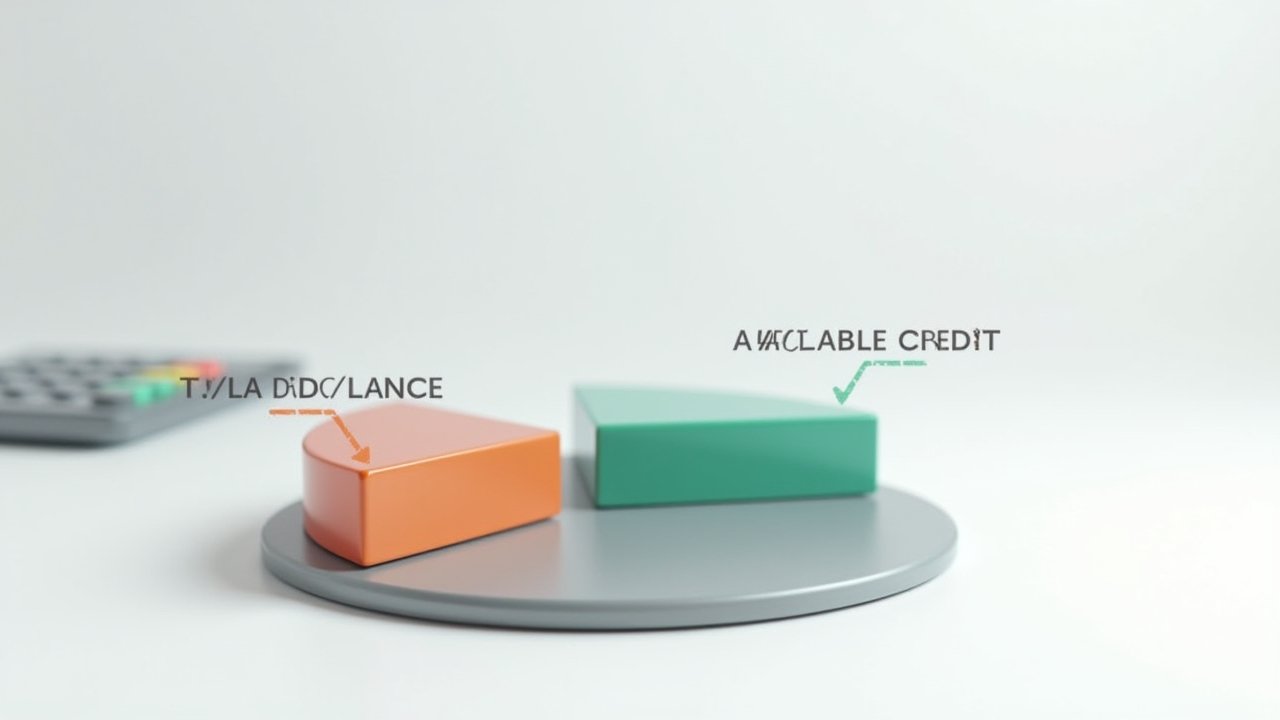
Secured Card Credit Utilization Ratio: The One Number That Changed My Credit Score Forever
Here’s a stat that absolutely blew my mind when I was starting out — your credit utilization ratio accounts for roughly 30% of your FICO score. Thirty percent! I remember staring at my secured credit card statement back in 2019, totally clueless about why my score wasn’t budging. Turns out, I was making one of the most common mistakes people make with secured cards, and it all came down to how much of my credit limit I was actually using.
If you’ve got a secured card and you’re trying to build or rebuild your credit, understanding your utilization ratio isn’t optional. It’s everything. Let me walk you through what I wish someone had told me years ago.
What Exactly Is a Credit Utilization Ratio?
So credit utilization is basically the percentage of your available credit that you’re currently using. If you’ve got a secured card with a $500 credit limit and you’ve charged $250, your utilization ratio is 50%. Simple math, but the impact on your credit score is anything but simple.
The formula is straightforward — divide your current balance by your total credit limit, then multiply by 100. According to Experian, most experts recommend keeping this number below 30%. But honestly? I’ve found that keeping it under 10% is where the real magic happens.
Advertisements
My Embarrassing $300 Secured Card Mistake
When I first got my secured credit card, I put down a $300 deposit which gave me a $300 limit. I figured, hey, I should use the card a lot to show I’m responsible. So I’d charge it up to like $270 every month and pay it off in full. I was being responsible, right?
Wrong. So, so wrong. My utilization was sitting at 90% when the statement closed, and my credit score was basically going nowhere. It didn’t matter that I was paying on time — the credit bureaus were seeing that massive balance relative to my limit and it was killing me.
The moment I dropped my spending to under $30 per statement cycle, my score jumped almost 20 points in a single month. I literally wanted to scream.
The Sweet Spot for Secured Card Utilization
Here’s what I’ve learned works best after years of obsessing over this stuff:
- Keep your utilization between 1% and 10% for the best credit score impact
- Never let your balance hit $0 on statement closing date — a 0% utilization can actually be worse than a small balance
- Pay your balance down before the statement closing date, not just the due date
- If your secured card limit is low, make multiple payments throughout the month to keep that ratio down
That last tip is a game-changer. With secured cards, limits are usually pretty small — like $200 to $500. Even buying groceries can spike your utilization through the roof. Making mid-cycle payments was the strategy that finally got things moving for me.
Statement Closing Date vs. Due Date — Yeah, There’s a Difference
This tripped me up for the longest time. Your credit card issuer reports your balance to the credit bureaus on your statement closing date, not your payment due date. These are two different dates and mixing them up is a rookie mistake I made for way too long.
So even if you pay in full every month by the due date, your reported balance might still be high. The trick is to pay down your balance a few days before the statement closes. The CFPB has some great info on how this reporting works if you want to dig deeper.
Does This Really Matter With Just One Secured Card?
Absolutely it does. When a secured card is your only credit account, your utilization on that single card IS your overall utilization. There’s no other accounts to balance things out. Every dollar you charge carries more weight, which is both a curse and a blessing honestly.
Think of it this way — you’ve got total control over that one number. Use it wisely and your credit building journey speeds up dramatically.
Your Credit Score Is a Marathon, Not a Sprint
Look, managing your secured card credit utilization ratio isn’t glamorous. It’s honestly kind of tedious. But keeping that ratio low, paying before your statement closes, and being consistent — that’s what moved my score from the 500s into the 700s over time.
Everyone’s financial situation is a little different, so tweak these tips to fit your life. And please, don’t max out your secured card like I did — learn from my mistakes! If you found this helpful, head over to Score Cove for more tips on building credit the smart way.