
Advertisements
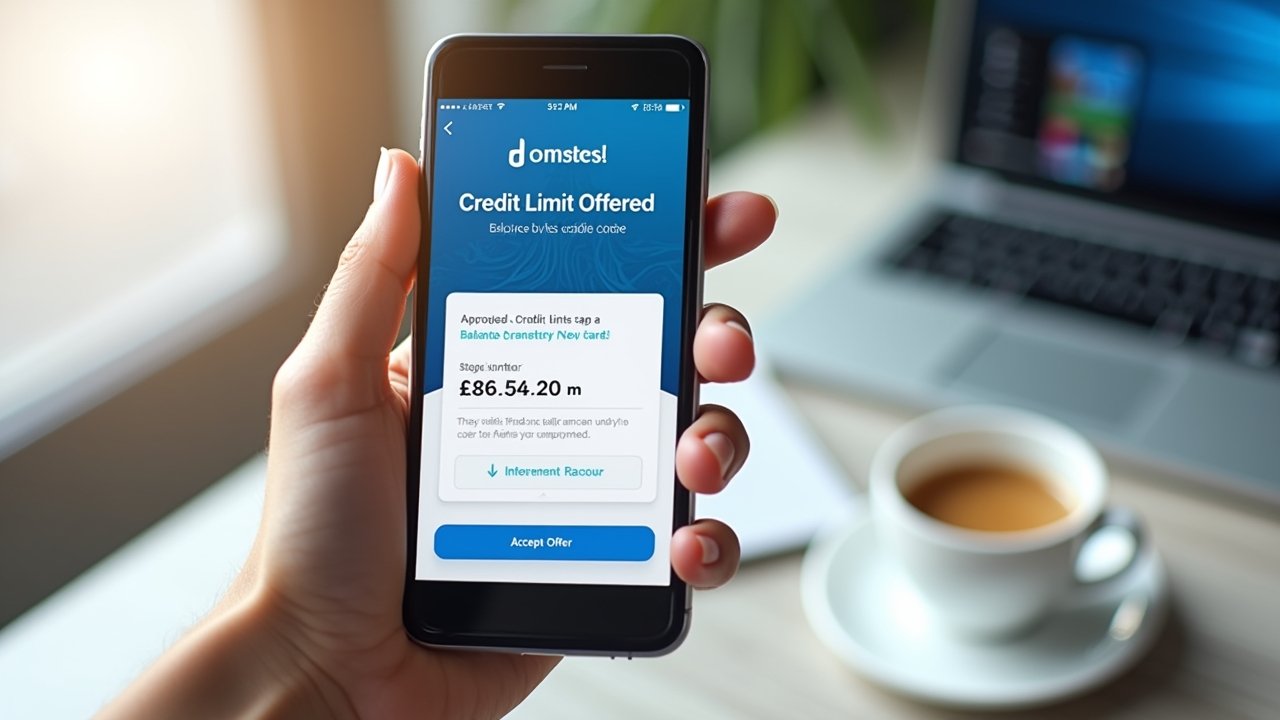
How I Finally Found a Good Credit Limit Balance Transfer Card (After Making Every Mistake Possible)
Here’s a stat that honestly blew my mind — the average American carries about $6,501 in credit card debt. I was way above that number a few years back, and the interest was eating me alive. That’s when I stumbled into the world of balance transfer cards, and let me tell you, it changed everything!
Finding a good credit limit balance transfer card isn’t just about snagging a 0% APR offer. It’s about getting enough credit to actually move your debt over and breathe a little. I learned that the hard way, and I’m gonna walk you through what I wish someone had told me from the start.
What Even Is a Balance Transfer Card (And Why the Credit Limit Matters So Much)
So a balance transfer credit card lets you move existing high-interest debt onto a new card, usually with a low or 0% introductory APR period. Sounds dreamy, right? It is — but only if the credit limit they give you is high enough to cover what you owe.
I remember applying for my first balance transfer card thinking I’d get approved for like $10,000. They gave me $2,500. I had $8,000 in debt sitting on a card charging me 24.99% interest, so that approval was basically useless for what I needed it for.
Advertisements
The credit limit you’re approved for depends on your credit score, income, and existing debt. That’s why the phrase “good credit limit” is so important here — you need a card that’ll actually give you room to consolidate meaningfully.
Cards That Tend to Offer Higher Credit Limits for Balance Transfers
From my experience and a ton of research, certain issuers are just more generous with credit limits. The Citi Simplicity Card was the one that finally worked for me — long 0% intro APR period and they gave me a solid limit.
Other popular options include the Chase Slate Edge and cards from Discover. Each one has its own balance transfer fee, usually around 3-5%, and different promotional periods. Here’s what I’d look at when comparing:
- Length of the 0% introductory APR period (longer is better, obviously)
- Balance transfer fee percentage
- Typical credit limits reported by actual cardholders
- What credit score range you actually need to qualify
- The regular APR after the promo period ends
Don’t just chase the longest 0% period though. I made that mistake once and ended up with a card that had a tiny limit and a 5% transfer fee. Not worth it.
How to Actually Get Approved for a Higher Credit Limit
Okay so this is where it gets practical. Before you even apply, check your credit report at AnnualCreditReport.com for free. I found an error on mine once that was dragging my score down by like 40 points — getting it removed was a game changer.
Pay down your existing balances as much as you can before applying. Your credit utilization ratio matters a ton, and issuers look at that heavily when deciding your limit. Even throwing an extra couple hundred bucks at your balance can make a difference.
Also, and this is something nobody talks about, include ALL your income on the application. Household income, side hustles, everything that’s legitimate. Issuers use that number directly when calculating your approved credit line. I was leaving money on the table for years because I only listed my main salary.
The Trap Nobody Warns You About
Here’s my biggest cautionary tale. I got approved for a great balance transfer card, moved my debt over, felt amazing — and then started spending on the old card again. Within a year I had DOUBLE the debt. Please don’t be me.
A balance transfer is a tool, not a solution by itself. You gotta have a payoff plan and honestly consider freezing or cutting up the old card. The Consumer.gov debt management resources are surprisingly helpful for building that plan out.
Your Next Move Starts Today
Finding a good credit limit balance transfer card can genuinely save you thousands in interest — it saved me close to $3,200 over 18 months. But every situation is different, so take the time to compare offers, check your credit, and build a realistic payoff strategy before you apply.
Whatever you do, don’t just sit there letting interest pile up. That’s the real mistake. For more tips on credit scores, debt payoff strategies, and smart financial moves, check out more posts over at Score Cove — we’ve got you covered!