Advertisements
Secured Card Fraud Protection Coverage: What I Wish Someone Had Told Me Years Ago
Here’s a stat that genuinely made me spit out my coffee — credit card fraud losses hit over $12 billion in the U.S. alone last year. And you know what really bugs me? A lot of people with secured credit cards assume they’re somehow less of a target. Spoiler alert: they’re not!
I learned this the hard way back when I was rebuilding my credit with a secured card. I figured, “Who’s gonna bother scamming a card with a $300 limit?” Turns out, fraudsters don’t discriminate. So let’s talk about secured card fraud protection coverage, because understanding it could literally save you money and a whole lot of headaches.
What Exactly Is Secured Card Fraud Protection Coverage?
Okay, so first things first. Secured card fraud protection coverage refers to the policies and safeguards your card issuer provides against unauthorized transactions on your secured credit card. It works pretty much the same way it does on unsecured cards, though a lot of folks don’t realize that.
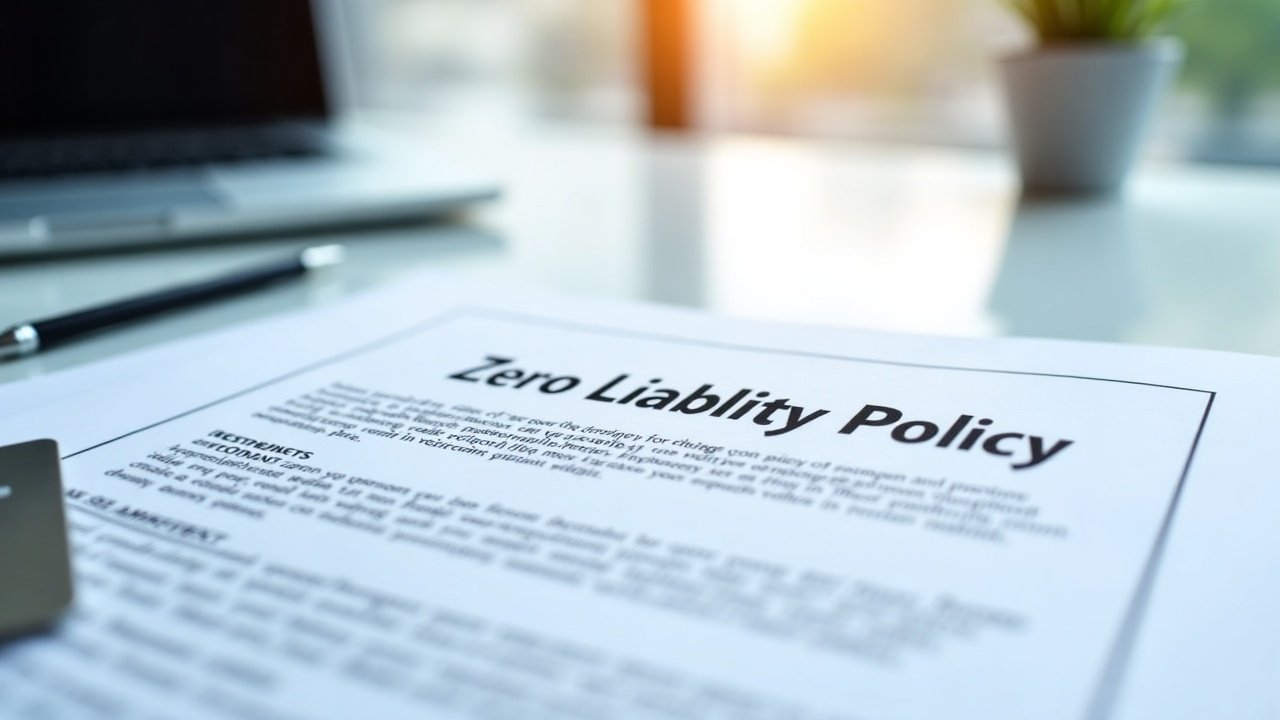
Under federal law — specifically the Fair Credit Billing Act — your maximum liability for unauthorized credit card charges is capped at $50. And honestly, most major issuers like Discover and Capital One offer zero liability fraud protection on their secured cards too. That means if someone goes on a shopping spree with your card number, you’re not on the hook for a single penny.
Advertisements
I remember being so relieved when I found that out after my card got compromised. Like, genuinely emotional about it.
My Little Fraud Scare (And What I Learned From It)
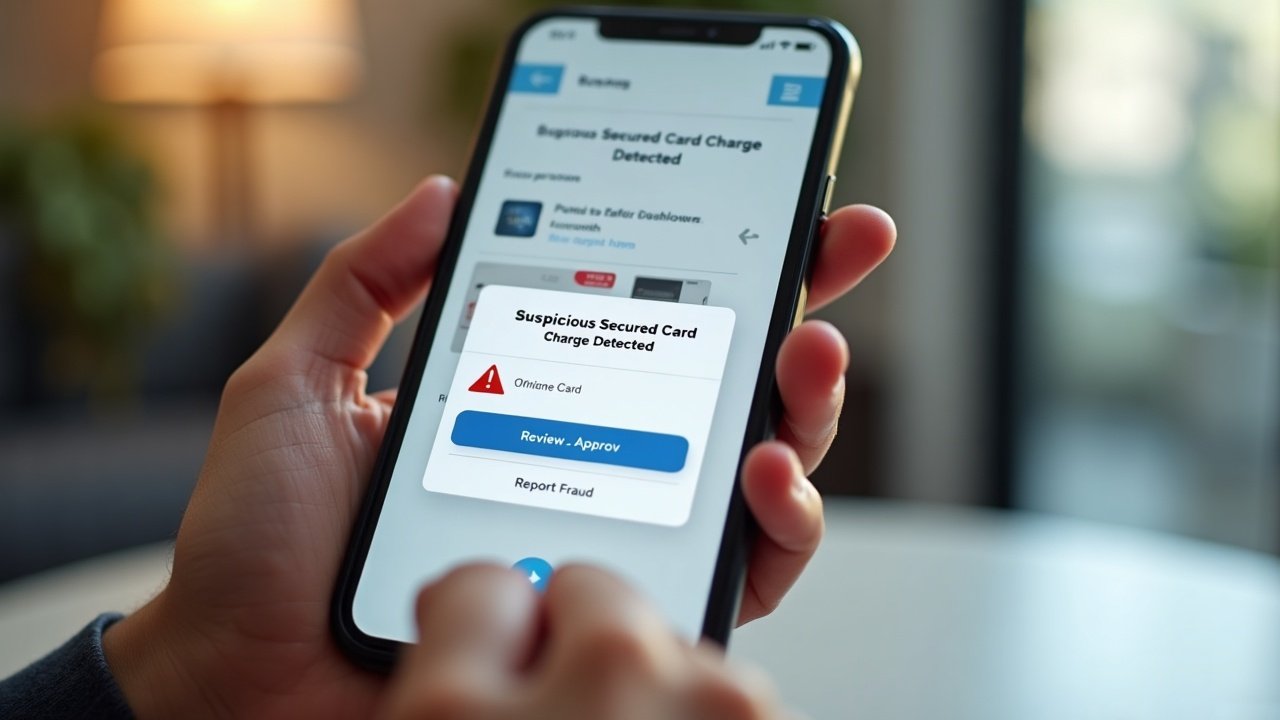
So here’s the story. About three years ago, I had a secured card I was using exclusively for gas and a small streaming subscription. Nothing fancy. One morning I checked my account and saw two charges from some electronics store in a state I’d never even visited.
My heart dropped. I panicked and called the issuer immediately, which — side note — is absolutely the right move. The customer service rep was super calm, froze the card, and started a fraud dispute right there on the phone. Within about ten days, those fraudulent charges were removed completely.
The whole experience taught me that being was proactive about monitoring your secured card activity is non-negotiable. Don’t just set it and forget it.
Practical Tips to Maximize Your Fraud Protection
After going through that mess, I became kind of obsessive about credit card security. Here are the things that have actually worked for me:
- Enable transaction alerts. Seriously, turn on push notifications or text alerts for every single purchase. Most issuers let you set them up through their app. This is how you catch unauthorized charges fast.
- Review your statements weekly. I know monthly reviews sound sufficient, but small fraudulent charges often go unnoticed because people wait too long to check.
- Never use your secured card on sketchy websites. If a site doesn’t have HTTPS or looks like it was built in 2003, just walk away. Use virtual card numbers if your issuer offers them.
- Set up a credit monitoring service. Free options like Credit Karma can alert you to suspicious activity tied to your accounts and credit report.
- Report fraud immediately. The sooner you notify your issuer, the better your chances of full reimbursement under their zero liability policy.
Do All Secured Cards Offer the Same Fraud Protection?
Nope, and this is where it gets a little tricky. While federal law provides a baseline, the actual fraud protection coverage varies between issuers. Some secured cards come with zero liability policies, real-time fraud monitoring, and even identity theft assistance. Others? Not so much.
Before you apply for a secured card, read the fine print about their fraud protection benefits. Cards from bigger issuers like Discover’s Secured Card tend to offer more robust unauthorized purchase protection. It’s worth comparing options before committing your security deposit.
Your Security Deposit and Fraud — A Common Misconception
One thing that tripped me up early on was thinking my security deposit could be used to cover fraudulent charges. That’s not how it works. Your deposit is collateral for the credit line, not an insurance fund. Fraud protection is handled separately through the issuer’s dispute process and their liability policies.
Don’t let anyone tell you otherwise. That deposit is there in case you default, period.
Keep Building Credit, But Stay Sharp
Look, secured cards are an amazing tool for credit building and financial recovery. But fraud protection coverage isn’t something you should just assume is handled. Take five minutes today to check your issuer’s fraud policy, turn on those alerts, and maybe even freeze your card number if you’re not using it for a while.
Your credit journey is too important to let a fraudster derail it. If you want more tips on secured cards, credit scores, and smart money moves, swing by the Score Cove blog — we’ve got tons of posts to help you navigate all of this stuff without losing your mind.