

Best Secured Card for Bad Credit: What I Wish Someone Told Me Years Ago
Advertisements
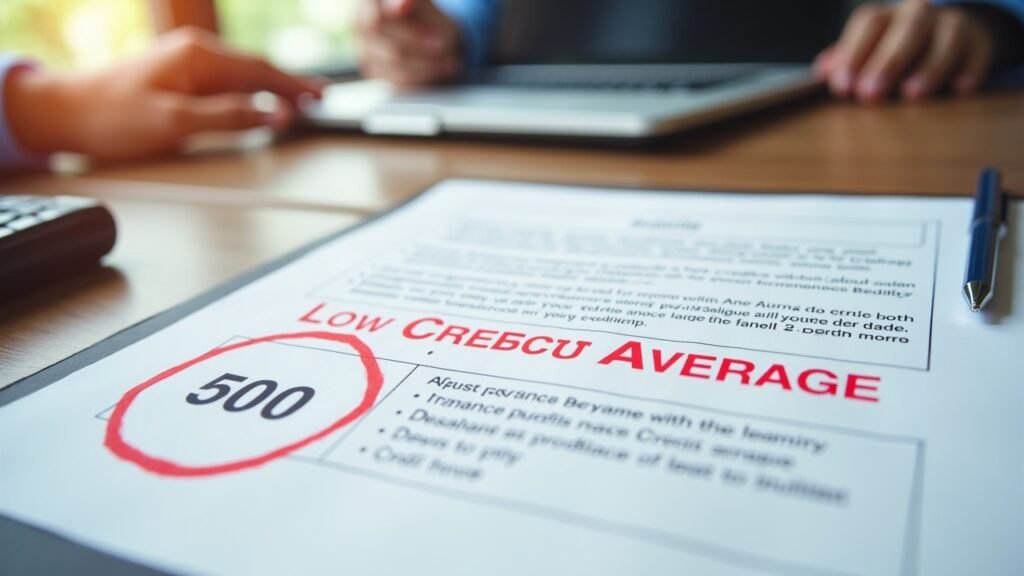
Here’s a stat that honestly blew my mind — nearly 30% of Americans have a credit score below 601. That’s millions of people locked out of traditional credit cards, auto loans, and sometimes even apartment rentals. I was one of them.
Back in my late twenties, I made some truly bonehead financial moves. Missed payments, maxed-out store cards, and a collections account that haunted me like a ghost I couldn’t shake. When I finally decided to rebuild, finding the best secured card for bad credit felt like the single most important decision I could make. And honestly? It kind of was.
What Even Is a Secured Credit Card?
Okay, so if you’re new to this whole thing, a secured credit card requires a cash deposit upfront. That deposit typically becomes your credit limit. So if you put down $200, you get a $200 line of credit.
It’s not a prepaid card, though — I used to get those confused all the time. A secured card actually reports your payment history to the major credit bureaus like Experian, Equifax, and TransUnion. That’s the whole point. You’re building a track record of responsible credit use, even when your past says otherwise.
My Top Picks for the Best Secured Cards for Bad Credit in 2026
After way too many hours of research — and personal trial and error — here are the cards I’d actually recommend to a friend.
Advertisements
Discover it® Secured Credit Card
This one’s my personal favorite, and it’s the card I started with. Discover reports to all three bureaus, there’s no annual fee, and you actually earn 2% cash back at gas stations and restaurants. A secured card with rewards? That felt like winning the lottery when my score was sitting at 520.
Plus, they automatically review your account after about eight months to see if you qualify for an upgrade to an unsecured card. That moment when I got that email was genuinely one of the happiest days of my credit journey.
Capital One Platinum Secured Card
What I love about Capital One’s option is that your deposit can be as low as $49, $99, or $200 depending on your creditworthiness. Most secured cards demand at least $200 upfront, so this is huge for folks who are tight on cash. No annual fee either, which matters when every dollar counts.
OpenSky® Secured Visa® Credit Card
Here’s the thing — most secured cards still run a credit check. OpenSky doesn’t. If your credit is seriously damaged or you’ve been denied everywhere else, this card is basically a lifeline. There is a $35 annual fee, which kinda stinks, but sometimes you gotta pay a little to get back in the game.
What to Actually Look For
Not all secured cards are created equal. I learned that the hard way when I almost signed up for one with a ridiculous annual fee and no bureau reporting. Here’s what matters most:
- Reports to all three credit bureaus — this is non-negotiable
- Low or no annual fee
- A clear path to upgrading to an unsecured card
- Reasonable minimum deposit requirements
- No hidden fees like monthly maintenance charges
Mistakes I Made So You Don’t Have To
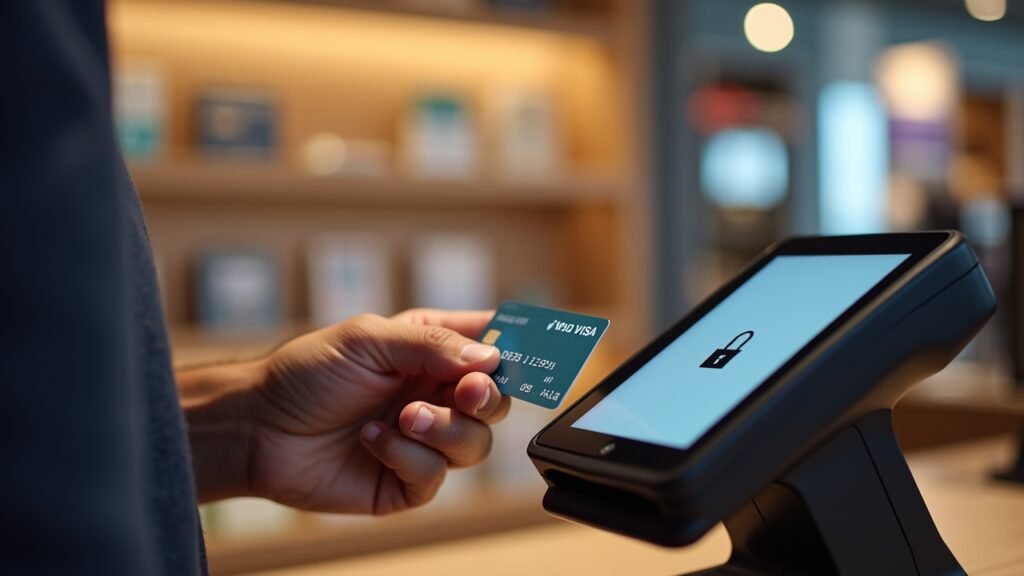
I’m a little embarrassed to admit this, but I treated my first secured card like free money. Maxed it out within the first month. Your credit utilization ratio — basically how much of your limit you’re using — should stay below 30%. Ideally under 10%.
Also, I forgot to set up autopay once and missed a payment by three days. Three days! That ding stayed on my report and it was totally avoidable. Set up automatic payments immediately. I’m dead serious about this one.
Another thing — don’t apply for five cards at once hoping one sticks. Each application triggers a hard inquiry on your credit report, and those add up fast. Be strategic about it.
Your Credit Comeback Starts With One Small Step
Rebuilding bad credit isn’t glamorous. It’s slow, sometimes frustrating, and requires patience I honestly didn’t think I had. But that little secured card in my wallet? It changed everything over about 12 to 18 months.
Pick the card that fits your situation, use it responsibly, and watch your score climb. Everyone’s financial journey looks different, so take what works for you and leave what doesn’t. Just make sure you’re doing your homework — and be careful of predatory cards with insane fees.
For more tips on building credit and making smarter money moves, check out other posts on Score Cove. We’re all figuring this out together!