

Secured Card Mistakes That Can Wreck Your Credit Rebuild (I Made Most of Them)
Advertisements
Here’s a stat that honestly blew my mind: nearly 30% of Americans have a credit score below 601, according to Experian. I was one of them about six years ago. And when I finally decided to fix things, I grabbed a secured credit card thinking it was basically a magic wand — just get one, use it, and boom, good credit again!
Yeah, that’s not how it works. I made so many secured card mistakes during my credit rebuild that I actually set myself back a few months. So let me walk you through what NOT to do, because I’ve lived it.
Thinking the Card Does the Work for You
This was my biggest delusion. I put down my $200 security deposit, got my shiny new secured card, and kinda just… let it sit there. I figured having an open account would slowly boost my score. Wrong.
A secured card only helps your credit score if you’re actually using it responsibly and making on-time payments. The Consumer Financial Protection Bureau explains that payment history makes up the largest chunk of your score. So if you’re not using the card at all, you’re basically wasting your deposit.
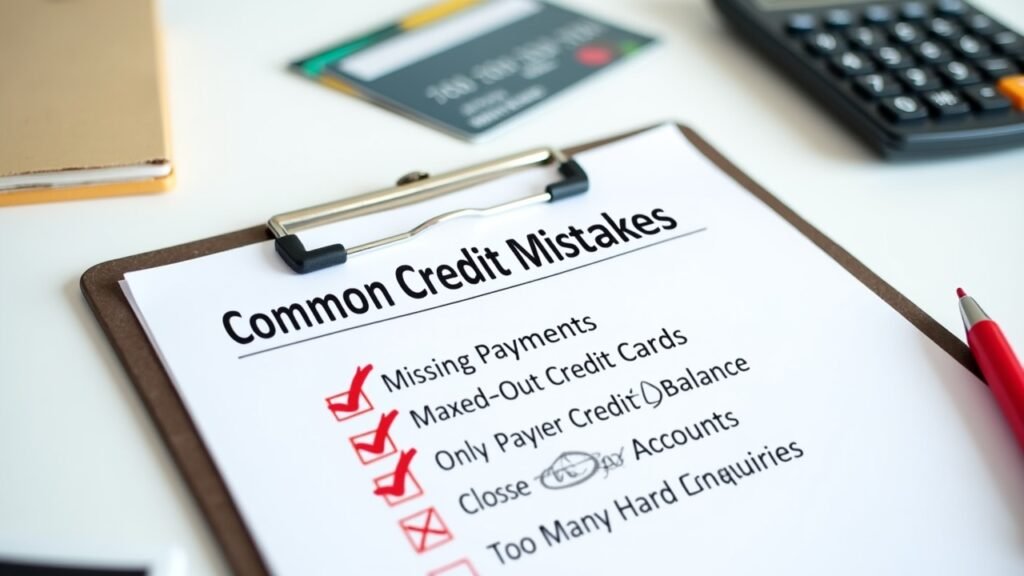
Maxing Out Your Credit Limit
Okay, this one still embarrasses me. My secured card had a $300 limit, and within the first month I had like $280 on it. I thought, “Well, I’ll just pay it off at the end of the month, no big deal.”
Advertisements
But here’s what I didn’t understand — your credit utilization ratio gets reported to the bureaus before your payment is even due. So even though I was paying in full, the bureaus were seeing me at 90%+ utilization, which is terrible. Most experts recommend keeping it under 30%, and honestly, under 10% is the sweet spot for rebuilding.
Quick Tip That Saved Me
I started paying my balance down twice a month, right before the statement closing date. It was a small change that made a huge difference in how my utilization was being reported.
Ignoring Whether Your Issuer Reports to All Three Bureaus
Not all secured cards are created equal. Some issuers only report to one or two of the three major credit bureaus — Equifax, TransUnion, and Experian. I didn’t check this before applying for my first card, and turns out it was only reporting to one bureau.
That meant two-thirds of my credit profile wasn’t even seeing my progress. When you’re shopping for a secured card, always verify it reports to all three. Sites like NerdWallet usually list this info in their reviews.
Applying for Too Many Cards at Once
After I realized my first card wasn’t reporting everywhere, I panicked and applied for three more secured cards in the same week. Each application triggered a hard inquiry on my credit report. My score actually dropped a few points, which felt like a punch to the gut when you’re already starting from the bottom.
Hard inquiries stay on your report for two years. Space out your applications, seriously. One solid secured card that reports to all three bureaus is way better than a handful of mediocre ones.
Forgetting About Fees That Eat Your Deposit
Some secured cards come with annual fees, monthly maintenance fees, and even processing fees. I had one card that charged a $35 annual fee on a $200 deposit. That’s almost 18% of my credit line gone before I even bought anything.
Always read the fine print. There are plenty of no-annual-fee secured cards out there — like the Discover it® Secured card, which even offers cash back rewards. Don’t let fees quietly sabotage your rebuild.
Not Having a Graduation Plan

A secured card should be temporary. The whole point is to build enough positive history that you can graduate to an unsecured card and get your deposit back. But I had no timeline in mind. I just kept using it without ever checking if I qualified for an upgrade.
Most issuers will review your account after 7-12 months of responsible use. Set a reminder on your phone. Ask your issuer about their upgrade policy. Have a plan.
Your Credit Comeback Starts With Fewer Mistakes
Look, rebuilding credit is a marathon, not a sprint. A secured card is one of the best tools you’ve got, but only if you use it the right way. Keep that utilization low, pay on time every single time, and avoid the traps I fell into.
Everyone’s financial situation is a little different, so adjust these tips to fit your life. And if you’re hungry for more practical advice on improving your financial health, head over to Score Cove — we’ve got tons of posts to help you on this journey. You got this!