

Balance Transfer Promotional Period Explained: What I Wish Someone Told Me Years Ago
Advertisements
Here’s a stat that still blows my mind — Americans carry over $1.14 trillion in credit card debt. That’s trillion with a T! When I first found myself drowning in high-interest credit card balances back in 2019, a friend casually mentioned balance transfers, and honestly, it changed everything for me. But I made some rookie mistakes along the way because nobody really broke down how the promotional period actually works.
So let me be that friend for you today.
What Exactly Is a Balance Transfer Promotional Period?
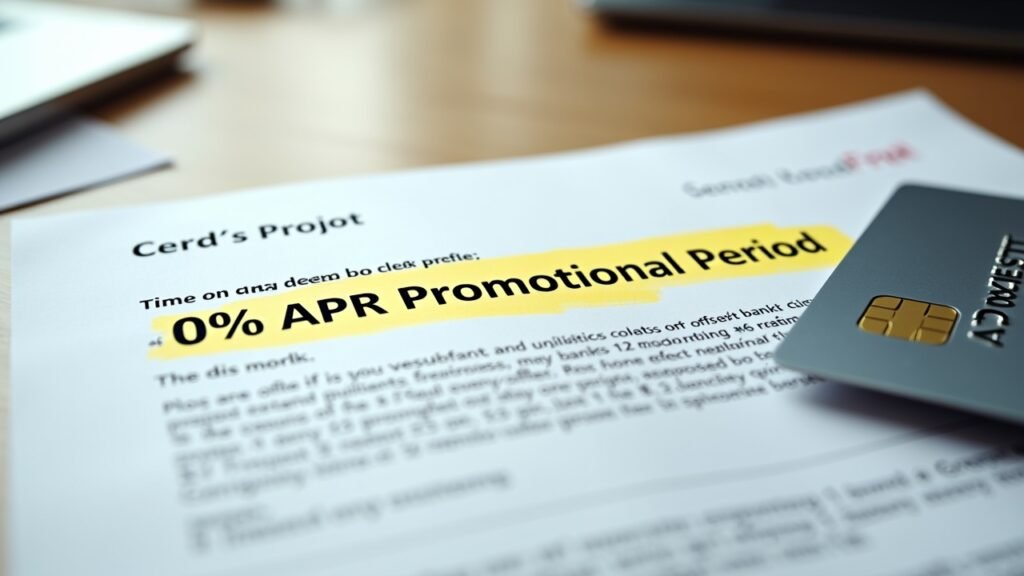
A balance transfer promotional period is basically a limited window of time — usually between 6 and 21 months — where a credit card issuer offers you a super low or even 0% APR on debt you move from another card. The whole idea is to give you breathing room to pay down your balance without interest piling up like dirty laundry. It’s one of the most popular debt payoff strategies out there, and for good reason.
Think of it like a financial timeout. You’re essentially pressing pause on interest charges so more of your payment actually goes toward the principal balance.
How the Promotional Period Actually Works
Okay, so here’s where I messed up the first time. I assumed the promotional period started the day I transferred my balance. Nope. It typically starts the day your new account is opened, not when the transfer is completed.
Advertisements
That matters more than you’d think. Because the transfer itself can take anywhere from 5 to 14 business days, you might lose a couple weeks of your intro APR period before you even realize it. I lost about 10 days on my first balance transfer because I dragged my feet submitting the request after getting approved.
Most balance transfer credit cards come with a few key terms you gotta pay attention to:
- The length of the 0% intro APR period (commonly 12 to 21 months)
- The balance transfer fee, usually 3% to 5% of the amount transferred
- The regular APR that kicks in after the promo period ends
- Whether the promotional rate applies to new purchases too (spoiler: it often doesn’t)
The Trap I Fell Into — And How You Can Avoid It
So my biggest blunder? I made a new purchase on my balance transfer card thinking everything was at 0%. It wasn’t. New purchases were being charged the regular variable APR of like 22.99%, and I didn’t notice for two months. Payments were being applied to the transferred balance first, so that purchase just sat there accumulating interest.
Lesson learned the hard way. Keep your balance transfer card exclusively for the transferred debt. Use a separate card — or better yet, cash — for everyday spending.
What Happens When the Promotional Period Ends?
This is the part that catches a lot of people off guard. Once your intro period expires, the remaining balance gets hit with the card’s regular APR, which can range from 18% to 28% depending on your creditworthiness. That’s why having a payoff plan before you even initiate the transfer is absolutely critical.
I like to divide my total balance by the number of months in the promotional period. Simple math. If I transferred $6,000 with a 15-month promo period, that’s $400 a month to be completely debt-free before the rate jumps. It’s not rocket science, but you’d be surprised how many folks — myself included, once upon a time — just wing it.
Quick Tips From Someone Who’s Been There
- Always read the fine print on the credit card agreement before applying
- Set calendar reminders for when your promo period ends
- Factor in the balance transfer fee when calculating savings
- Make payments on time — one late payment can void the promotional rate entirely
- Don’t open multiple balance transfer cards at once; it can hurt your credit score
Your Next Move Matters More Than You Think

Understanding the balance transfer promotional period isn’t just about saving a few bucks on interest — it’s about taking real control of your financial life. Everyone’s situation is different, so tailor these strategies to fit your specific debt load and budget. And please, always make sure you’re reading the terms carefully before signing up for anything.
If you found this helpful, there’s plenty more where it came from. Head over to Score Cove and explore our other posts on credit management, debt strategies, and building a healthier financial future. You’ve got this!