

How to Use a Secured Card Without Paying Interest (Yes, It’s Totally Possible!)
Advertisements
Here’s something that blew my mind when I first started rebuilding my credit: about 75% of secured credit card holders end up paying interest they absolutely don’t have to. I was one of them! For nearly six months, I was handing over extra money to my card issuer because nobody told me there was a stupidly simple way to avoid it.
If you’re using a secured credit card to build or rebuild your credit score, the last thing you need is interest charges eating into your budget. The good news? You can use a secured card without paying a single penny in interest. Let me walk you through exactly how I figured this out.
Wait, Why Do Secured Cards Charge Interest Anyway?
So a secured credit card works just like a regular credit card, except you put down a security deposit that usually equals your credit limit. That deposit doesn’t protect you from interest though. Most secured cards carry pretty high APRs — we’re talking anywhere from 20% to 28% in many cases.
The interest kicks in when you carry a balance past your statement due date. That’s the part I messed up on early. I thought as long as I paid *something* each month, I was golden, but nope — minimum payments are basically an interest trap.
The Golden Rule: Pay Your Statement Balance in Full
This is the whole secret, honestly. Pay your full statement balance by the due date every single month. Not the minimum payment. Not most of it. The entire statement balance.
Advertisements
Here’s what tripped me up though. Your statement balance is different from your current balance. Your statement balance is the amount shown on your monthly billing statement, and that’s the number you need to zero out. The grace period — usually 21 to 25 days between your statement closing date and your payment due date — is your best friend here.
As long as you pay that statement balance within the grace period, no interest is charged. It’s literally free borrowing. Pretty sweet deal when you think about it.
My “Aha Moment” Strategy That Made Everything Click
Okay so here’s what actually worked for me in practice. I started treating my secured card like a debit card. I know, I know — that sounds boring. But it was a game changer.
I picked one or two small recurring expenses to put on the card each month. Think Netflix subscription or gas fill-ups. Nothing crazy. Then I’d set a calendar reminder three days before the due date to pay the statement balance in full.
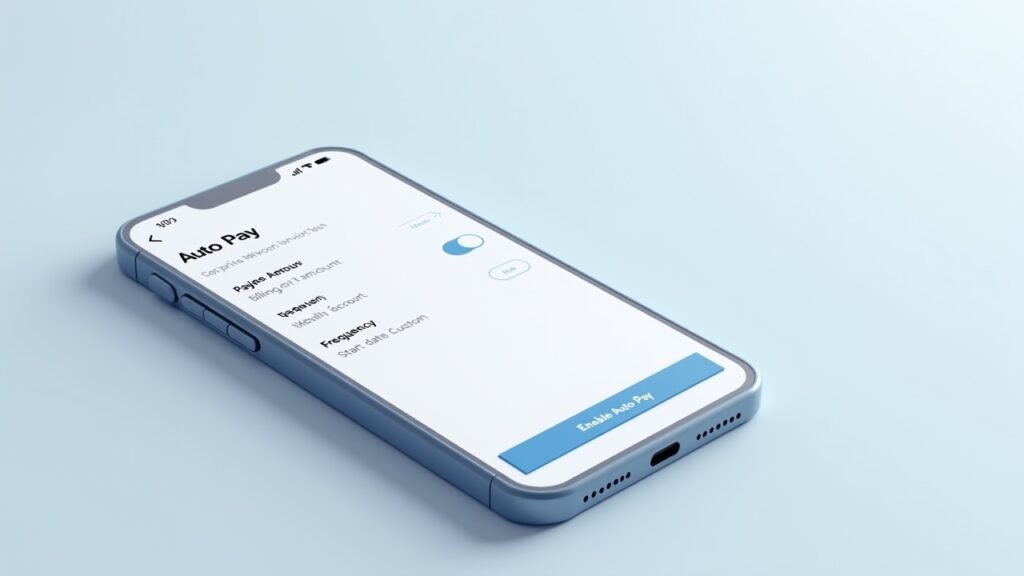
Eventually I just set up autopay for the full statement balance, and honestly that’s when I stopped stressing about it entirely. Most issuers like Discover and Capital One let you configure autopay to cover the full amount, not just the minimum. Make sure you select the right option because the default is sometimes set to minimum payment only — learned that one the hard way.
Common Mistakes That’ll Cost You
- Only paying the minimum: This is how they get you. Minimum payments keep you in debt longer and pile on interest charges month after month.
- Maxing out your credit limit: Even if you pay it off, using too much of your available credit hurts your credit utilization ratio. Try to stay under 30% — ideally under 10%.
- Missing the due date by even one day: Late payments can trigger penalty APRs and ding your credit report. Set those reminders!
- Ignoring your statement dates: You gotta know when your billing cycle closes so you understand what balance you actually owe.
Quick Tip: Use It for Credit Building, Not Spending

A secured card isn’t meant to fund a lifestyle. It’s a credit-building tool, plain and simple. I used mine for maybe $50-$80 a month in purchases, paid it off in full, and within about 10 months my score jumped almost 70 points. Small, consistent activity reported to the credit bureaus is what moves the needle.
If you want to nerd out on how credit utilization impacts your score, the folks at myFICO break it down really well.
Your Credit Journey Doesn’t Have to Be Expensive
Using a secured card without paying interest really just comes down to one habit: pay the full statement balance every month before the due date. That’s it. No fancy hacks, no secret tricks. Just discipline and a decent autopay setup.
Everyone’s financial situation is a little different, so tweak this approach to fit your budget and goals. And whatever you do, don’t let interest charges slow down your progress. For more tips on building credit the smart way, check out other posts on Score Cove — we’ve got plenty of guides to help you along the way!